
Knowledge base
Public Keys: What They Are and How They Differ from Private Keys
Short answer
A public key is derived from the private key and is safe to share; an address is its shorter formatted form. Public keys and addresses confirm balances, but never restore access.
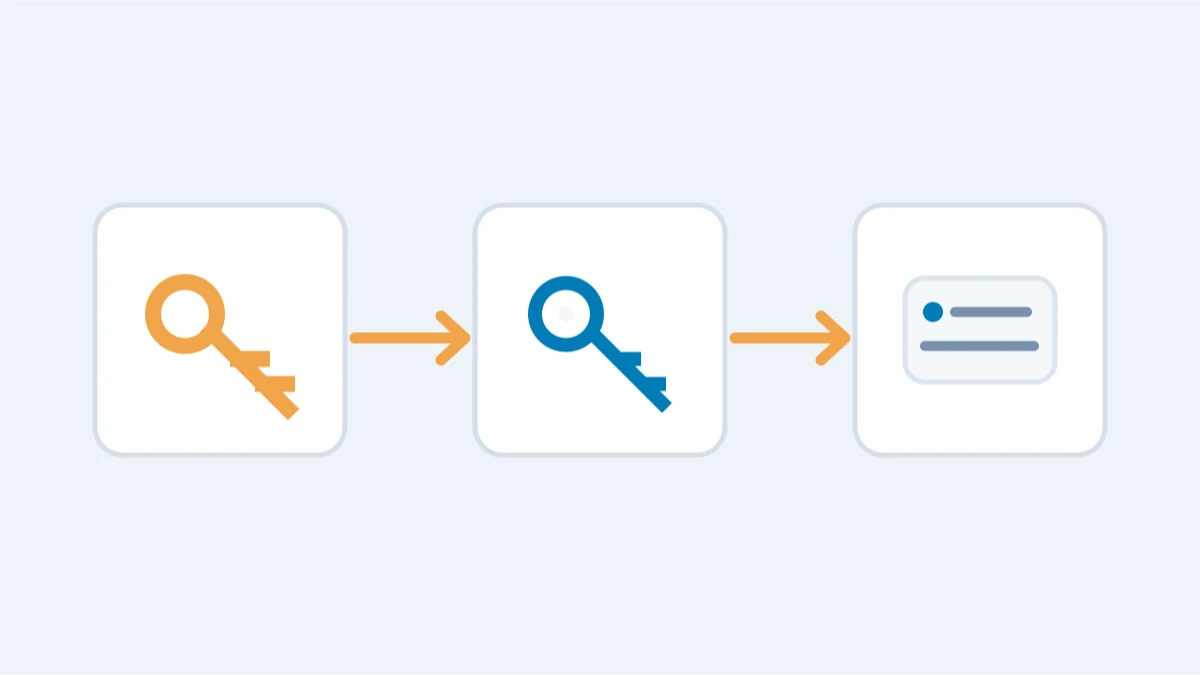
A public key is derived from a private key and is safe to share. An address is a shorter, formatted version of the public key, or of the script that the wallet uses to receive funds. A public key can verify a digital signature over the corresponding data; deriving the private key from the public key is not feasible with current methods.
What public keys are for
- Receiving funds (as an address).
- Verifying that a signature was made by the matching private key.
- Checking a wallet on a block explorer: you only need the public address.
What they are not for
A public key or address cannot unlock anything. Recovery never needs a public key alone: it can confirm where funds are, but access requires the private key, the seed phrase, or an encrypted wallet file.
Practical rule
Share addresses and public keys freely, and keep private keys, seed phrases and wallet files secret. Never enter those into a block explorer, website or chat. A public key can also be used to verify a signature or a message, which is how software confirms that a transaction really came from your wallet.
Where public keys appear
You meet a public key in several forms: a public address (the short form used for payments), an extended public key (xpub/ypub/zpub) used for watch-only wallets, and verification material in wallet exports. An xpub cannot spend funds, but it is not harmless to hand out either: anyone holding it can see every address the wallet has ever used and its full balance and transaction history, so treat it with the same care as a bank statement, not as public information.
Why they matter for recovery
- An address is not a route back: it is public information. Finding the address someone paid you to still leaves the key or phrase unknown: the address never encodes either one.
- Watch-only wallets: with an xpub you can view balances without the keys. That is useful for inventory and estate planning, but it is not access: recovery still needs the private material.
- Verifying ownership: a known address is how a recovered wallet is checked (for example when a seed reconstruction candidate must be confirmed): the candidate's derived addresses are compared against the one you already know, and a match confirms the material is yours without exposing the private key.
Haven’t regained access yet?
A first assessment costs nothing, and you won’t need to share any wallet secrets. Describe what you still have, and we’ll tell you honestly whether recovery is realistic. If the recovery doesn’t succeed, you don’t pay.